
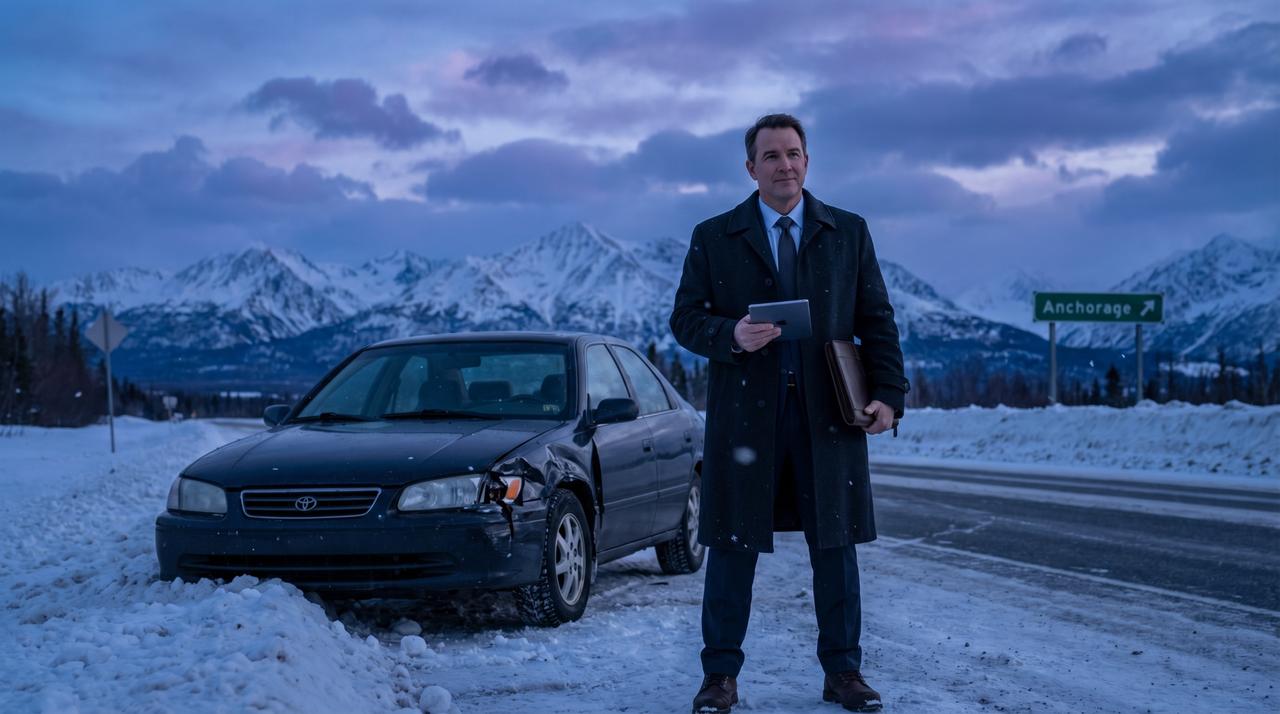

A sudden collision on an icy Anchorage road or a busy highway can instantly change your life. The moments following a vehicle crash are often filled with confusion, physical pain, and mounting anxiety over property damage and medical bills. Securing the guidance of a professional legal representative is a critical step in protecting your future. Understanding your legal options allows you to focus entirely on your physical recovery while your legal advocate handles complex negotiations with insurance companies. Alaska presents unique challenges for drivers. Severe winter weather, limited daylight during the colder months, and diverse road conditions contribute to a higher risk of severe collisions. When you suffer an injury due to another driver’s negligence, the resulting financial burden should not fall on your shoulders. Medical treatments, rehabilitation costs, lost wages, and profound emotional distress require fair compensation. A thorough investigation into the circumstances of your crash is vital for building a strong legal claim. The team at BFQ Law is dedicated to serving the local community by providing steadfast legal representation. We handle the intricacies of personal injury claims so you do not have to face powerful insurance adjusters alone. Whether you are dealing with a severe multi-vehicle collision or a complex liability dispute, having dedicated legal counsel ensures your rights remain protected throughout the entire legal process.
Table of Contents
- ➤ Car Wreck Attorney: Your Advocate After an Alaska Auto Accident
- ➤ Understanding Auto Accidents in Alaska
- ➤ What to Do Immediately Following a Vehicle Collision
- ➤ How Legal Representation Protects Your Rights
- ➤ The Unique Legal Landscape of Personal Injury in Alaska
- ➤ Types of Compensation Available After a Crash
- ➤ Why Choose BFQ Law for Your Personal Injury Case
- ➤ Steps in the Legal Process for Auto Accident Claims
- ➤ Dealing with Uninsured or Underinsured Motorists
- ➤ Frequently Asked Questions (FAQs)
- ➤ Conclusion
Car Wreck Attorney: Your Advocate After an Alaska Auto Accident
Engaging a car wreck attorney early in the aftermath of a collision is one of the most effective ways to secure your legal rights. Insurance companies act quickly to investigate claims and often attempt to minimize their financial liability. Having an experienced legal advocate levels the playing field. Your attorney will immediately begin preserving evidence, gathering witness statements, and communicating directly with all relevant insurance carriers on your behalf. This proactive approach prevents adjusters from using your statements out of context to devalue your claim.
The aftermath of a motor vehicle collision often involves complex legal and medical terminology. A skilled lawyer translates these complexities into clear, actionable steps for their clients. They understand how to analyze police reports, review medical records, and consult with accident reconstruction experts to establish fault. By building a solid foundation of evidence, your legal representation ensures that every aspect of your suffering and financial loss is accounted for in the final demand for compensation.
Understanding Auto Accidents in Alaska
Common Causes of Collisions in Anchorage and Beyond
Driver negligence remains the leading cause of auto accidents across the state. Distracted driving, particularly mobile phone use behind the wheel, significantly reduces a driver’s reaction time. Speeding is another major factor. When individuals drive above the posted speed limit, they lose the ability to safely stop or maneuver around unexpected obstacles. Impaired driving due to alcohol or controlled substances continues to pose a severe threat to public safety, often resulting in catastrophic injuries or fatalities.
Driver fatigue also plays a critical role in collision rates. Commercial truck drivers and individuals working long shifts are particularly susceptible to falling asleep at the wheel. Furthermore, aggressive driving behaviors such as tailgating, improper lane changes, and running red lights create hazardous conditions for all road users. Identifying the exact cause of a crash requires a meticulous review of the available evidence. A thorough investigation is crucial for proving liability and holding the responsible parties accountable for their actions.
The Impact of Extreme Weather and Road Conditions
Alaska is famous for its extreme weather patterns and rugged terrain. These environmental factors significantly increase the likelihood of vehicular accidents. Ice, heavy snowfall, and freezing rain reduce tire traction and make stopping distances dangerously long. Drivers who fail to adjust their speed and following distance for these treacherous conditions often cause severe rear end collisions and multi-car pileups. According to winter safety guidelines published by the Alaska Department of Transportation and Public Facilities, adjusting driving habits to match environmental conditions is essential for preventing tragedies on the road.
In addition to weather, poor road maintenance and wildlife crossings contribute to the high rate of accidents. Potholes, faded lane markings, and inadequate signage can disorient drivers. Large animals like moose frequently wander onto highways, especially during the darker winter months. Collisions with wildlife are a common occurrence and often lead to severe property damage and bodily injury. Determining liability in accidents involving environmental factors or road hazards requires a deep understanding of local laws and potential municipal liability.
What to Do Immediately Following a Vehicle Collision
Prioritize Safety and Medical Attention
The immediate moments after a crash are critical for your physical safety and the preservation of your future legal claim. If you are involved in a collision, the first priority is to assess yourself and your passengers for injuries. If it is safe to do so, move your vehicle out of the flow of traffic to prevent secondary accidents. You must call emergency services immediately. Even if your injuries seem minor, adrenaline can mask the symptoms of serious trauma such as whiplash or internal bleeding. Requesting an ambulance ensures that all injured parties receive prompt medical evaluation.
Seeking immediate medical attention creates an official medical record connecting your injuries directly to the incident. Delaying treatment allows insurance companies to argue that your injuries were pre existing or caused by an unrelated event. Always follow the treatment plan prescribed by your medical providers. Attending all follow up appointments and completing physical therapy sessions demonstrates that you are taking your recovery seriously.
Document the Scene Thoroughly
If your physical condition allows, gathering evidence at the scene is incredibly beneficial. Use your smartphone to take clear photographs and videos of the vehicles involved. Capture the damage from multiple angles, the position of the cars in the roadway, and any visible skid marks. Photograph relevant traffic signs, weather conditions, and visible injuries. This visual evidence provides an objective record of the crash scene before it is cleared away.
Exchange contact and insurance information with the other drivers involved. Be sure to collect their full name, phone number, address, driver’s license number, and insurance policy details. If there are any witnesses, politely ask for their names and contact information. Independent witness testimony can be a powerful tool in proving liability when the involved drivers have conflicting accounts of the event.
Report the Incident to Local Authorities
You should always contact the local police or highway patrol to report the accident. A responding officer will secure the scene, interview the drivers and witnesses, and generate an official police report. This document contains vital information, including the officer’s initial assessment of fault, citations issued, and a diagram of the collision. While the police report is not the final word on liability, it serves as a foundational piece of evidence for your legal claim.
How Legal Representation Protects Your Rights
Dealing with Insurance Companies
Insurance adjusters are trained professionals whose primary goal is to minimize the financial payout of their employer. They may employ tactics designed to confuse you or pressure you into accepting a low settlement offer before you fully understand the extent of your injuries. When you retain legal counsel, your lawyer takes over all communication with the insurance companies. This prevents adjusters from tricking you into making statements that could harm your case.
Your legal team will thoroughly review all insurance policies involved, including your own, to identify every potential source of coverage. They understand how to decipher complex policy language and hold insurance companies accountable to the terms of their contracts. By managing the negotiation process, your lawyer ensures that any settlement offer accurately reflects the true value of your physical, emotional, and financial losses.
Investigating the Incident and Gathering Evidence
A successful personal injury claim relies on a robust collection of evidence. Law firms have the resources to conduct independent investigations that go beyond the initial police report. They can subpoena traffic camera footage, obtain cell phone records to prove distracted driving, and secure electronic data recorders from commercial vehicles. This diligent evidence gathering is crucial for establishing a clear narrative of negligence.
In complex cases involving multiple vehicles or severe injuries, attorneys often collaborate with accident reconstruction specialists. These experts use the physical evidence from the scene to create detailed models and animations showing exactly how the crash occurred. This level of technical analysis is highly persuasive during settlement negotiations or courtroom trials.
Calculating the True Cost of Your Claim
Determining the fair value of an injury claim is a complicated process. It requires projecting future costs associated with your injuries, not just adding up current medical bills. A knowledgeable attorney works closely with medical professionals, vocational rehabilitation experts, and economists to calculate your total lifetime losses. This includes ongoing medical care, future surgeries, and the diminished earning capacity resulting from a permanent disability.
If you or a loved one are struggling with the aftermath of a severe crash, securing strong legal support is your next best step. You can contact our dedicated Anchorage attorneys at BFQ Law to discuss the specifics of your case and learn how we can help you fight for the compensation you deserve.
The Unique Legal Landscape of Personal Injury in Alaska
Pure Comparative Fault Explained
Alaska follows a legal doctrine known as pure comparative fault. Under this system, the court assigns a percentage of fault to every party involved in an accident. Your total financial recovery is then reduced by your assigned percentage of fault. For example, if you are awarded a settlement but are found to be twenty percent responsible for the collision, you will only receive eighty percent of the total award. Importantly, pure comparative fault allows you to recover damages even if you are found to be up to ninety nine percent at fault for the accident.
Insurance companies frequently attempt to exploit this rule by shifting an unfair amount of blame onto the victim. They do this to reduce their financial obligation. A vigilant legal team anticipates these tactics and presents compelling evidence to minimize your percentage of fault. By thoroughly dismantling the opposition’s arguments, your lawyer protects the total value of your settlement.
Statute of Limitations for Filing a Claim
Every state imposes strict deadlines for filing personal injury lawsuits, known as the statute of limitations. In Alaska, you generally have a specific window of time from the date of the accident to file a formal complaint in civil court. Failing to initiate legal action within this timeframe almost always results in the permanent loss of your right to seek financial compensation. It is vital to consult with a legal professional well before this deadline approaches.
Building a strong case takes time. Your lawyer needs sufficient time to investigate the accident, gather medical records, consult with experts, and negotiate with insurance carriers before filing a lawsuit becomes necessary. Contacting an attorney immediately after your collision ensures that all legal deadlines are met and your right to recovery remains intact.
Types of Compensation Available After a Crash
Economic Damages: Medical Bills and Lost Wages
Economic damages are designed to reimburse you for the direct financial losses resulting from the accident. These damages are typically easy to quantify using bills, receipts, and employment records. Medical expenses form a significant portion of economic damages. This includes costs for emergency room visits, hospital stays, surgical procedures, prescription medications, physical therapy, and any necessary medical equipment like wheelchairs or crutches.
Lost wages are another crucial component of economic recovery. If your injuries prevent you from returning to work, you are entitled to compensation for the income you lost during your recovery period. In cases of severe injury that result in long term disability, you may also claim loss of future earning capacity. This compensates you for the difference between what you could have earned before the accident and what you are capable of earning with your current physical limitations.
Non-Economic Damages: Pain and Suffering
Non economic damages compensate victims for the subjective, intangible losses associated with a severe injury. These damages are inherently difficult to assign a precise dollar value to but are often the most devastating consequences of an accident. Pain and suffering compensation covers the physical agony and discomfort you endured during and after the collision. It also accounts for the ongoing pain associated with chronic conditions or permanent scarring.
Emotional distress is a significant factor in non economic damages. Severe accidents often lead to psychological trauma, including anxiety, depression, sleep disturbances, and post traumatic stress disorder. Loss of consortium may also be claimed if the injuries negatively impact your relationship with your spouse. Calculating these damages requires a deep understanding of legal precedent and the ability to articulate the profound impact the accident has had on your quality of life.
Why Choose BFQ Law for Your Personal Injury Case
A Local Anchorage Law Firm Dedicated to Your Needs
When dealing with the aftermath of an injury, having a local legal team provides a distinct advantage. BFQ Law is proud to serve the Anchorage community and surrounding areas in Alaska. We have a deep understanding of the local court systems, judges, and opposing counsel. Our firm is conveniently located at 807 G Street, Suite 100, Anchorage, AK 99501. This local presence allows us to provide highly personalized service and be readily available to answer our clients’ questions and concerns.
We believe in open and transparent communication. We keep our clients informed at every stage of the legal process. Our goal is to absorb the stress of the legal battle so you can focus entirely on healing. We take the time to listen to your story, understand your unique circumstances, and tailor our legal strategy to achieve your specific goals.
Beyond Personal Injury: Our Full Range of Practice Areas
While we are deeply committed to advocating for auto accident victims, BFQ Law offers a broad spectrum of legal services to meet the diverse needs of our clients. Legal issues are often interconnected. A serious injury can impact your family dynamics, your estate planning, and your business interests. Our firm is equipped to handle complex legal matters across multiple disciplines.
Our practice areas include family law, where we assist clients with divorce, child custody, and support matters. We also provide robust representation in civil litigation and business dispute resolution. Furthermore, our team helps individuals protect their assets and legacy through thorough wills, trusts, and estates planning. We also offer professional mediation services to help parties resolve conflicts amicably outside of the courtroom. If you require legal assistance in any of these areas, you can reach out to our team at secretary@BFQLaw.com.
Steps in the Legal Process for Auto Accident Claims
The Initial Consultation
The legal journey begins with a detailed initial consultation. During this meeting, you will sit down with an attorney to discuss the facts of your accident, the nature of your injuries, and the impact the event has had on your life. The lawyer will evaluate the merits of your case, identify potential sources of liability, and explain your legal options. This is also an opportunity for you to ask questions and determine if the law firm is the right fit for your needs.
You should bring any relevant documents to this meeting, including the police report, photographs from the scene, your auto insurance policy, and preliminary medical records. The attorney will use this information to provide an honest assessment of your claim’s potential success. Most personal injury firms operate on a contingency fee basis, meaning you do not pay any upfront legal fees. The firm only collects payment if they successfully recover compensation on your behalf.
Filing the Complaint and Discovery Phase
If a fair settlement cannot be reached through initial negotiations with the insurance company, your attorney will file a formal complaint in civil court. This document outlines your allegations against the at fault driver and details the compensation you are demanding. The defendant is then served with the complaint and given a specific timeframe to file an official response.
Once the lawsuit is initiated, the case enters the discovery phase. This is a formal process where both sides exchange evidence and information related to the accident. Discovery involves written questionnaires called interrogatories, requests for the production of documents, and sworn, out of court testimonies known as depositions. The discovery phase is crucial for uncovering the facts and building a persuasive argument for trial or further settlement negotiations.
Settlement Negotiations versus Trial
The vast majority of personal injury cases are resolved through settlement negotiations rather than going to trial. As evidence is uncovered during discovery, the strengths and weaknesses of each side’s case become apparent. Attorneys will engage in mediation or direct negotiations to reach a mutually agreeable financial resolution. A settlement provides a guaranteed outcome and avoids the time, expense, and uncertainty of a jury trial.
However, if the insurance company refuses to offer a fair settlement that adequately covers your losses, your legal team must be prepared to take your case to court. During a trial, both sides present their evidence and arguments to a judge and jury. The jury then determines liability and calculates the final award for damages. Having seasoned litigators who are comfortable and confident in the courtroom is essential for achieving a successful verdict.
Dealing with Uninsured or Underinsured Motorists
Being involved in a crash is stressful, but discovering the at fault driver lacks adequate insurance coverage compounds the difficulty. Alaska law requires all drivers to carry minimum liability insurance. Unfortunately, many individuals drive illegally without any coverage, or they carry policy limits that are far too low to cover severe injuries and extensive property damage. When an uninsured or underinsured driver causes a collision, securing compensation requires a different legal approach.
This is where your own uninsured motorist and underinsured motorist coverage becomes vital. These optional policies are designed to protect you when the liable party cannot pay. Filing a claim against your own insurance company can still be an adversarial process. Your insurer will still attempt to minimize their payout. A skilled legal advocate will negotiate forcefully with your own insurance carrier to ensure you receive the full benefits you have paid for under your policy terms. Understanding the intricacies of these specific claims is vital for a complete financial recovery.
Frequently Asked Questions (FAQs)
1. How much does it cost to hire an attorney for an auto collision case?
Most injury law firms, including BFQ Law, operate on a contingency fee basis. This structure means you do not pay any upfront costs or hourly fees. The attorney’s payment is a predetermined percentage of the final settlement or court verdict. If the firm does not recover compensation for you, you owe no legal fees. This allows injured individuals to access high quality legal representation regardless of their current financial situation.
2. How long do I have to file a lawsuit in Alaska?
In Alaska, the statute of limitations for filing a personal injury lawsuit is generally a specific period starting from the date of the accident. Failing to file within this strict deadline will result in the court dismissing your case, destroying your right to seek compensation. Because investigating a claim takes significant time, you should contact legal counsel as soon as possible after a crash.
3. What if I was partially at fault for the accident?
Alaska uses a pure comparative fault system. You can still recover damages even if you share some of the blame for the collision. However, your total financial award will be reduced by your assigned percentage of fault. An experienced lawyer will fight to minimize the percentage of fault attributed to you by presenting strong evidence against the other driver.
4. Should I speak directly to the other driver’s insurance adjuster?
You should never provide a recorded statement or discuss the details of the accident with the opposing insurance company without consulting your lawyer first. Adjusters often use leading questions to prompt answers that could be used to deny your claim or reduce its value. Direct all communication from the insurance company to your legal representative.
5. How long will it take to resolve my personal injury case?
The timeline for resolving a claim varies significantly depending on the complexity of the accident, the severity of your injuries, and the willingness of the insurance company to offer a fair settlement. Some cases are resolved in a few months through negotiation, while complex cases that go to trial can take a year or more. Your lawyer will keep you informed of the expected timeline as your case progresses.
Conclusion
The aftermath of an auto collision requires immediate and decisive action. Protecting your physical health by seeking prompt medical care is the first step, followed closely by securing robust legal representation. Attempting to handle a complex injury claim on your own places you at a significant disadvantage against experienced insurance adjusters and corporate legal teams. By partnering with a dedicated legal professional, you ensure that every piece of evidence is preserved, your damages are accurately calculated, and your rights are fiercely defended.
Living and driving in Alaska presents unique environmental hazards that contribute to severe roadway incidents. Whether your crash was caused by distracted driving, speeding, or treacherous icy conditions, the negligent party must be held accountable for the harm they caused. A thorough legal strategy involves managing all communications, conducting independent investigations, and preparing a compelling case for either settlement negotiations or a courtroom trial. The financial compensation you receive is vital for covering medical bills, replacing lost wages, and acknowledging your pain and suffering.
If you need dependable legal guidance after an accident, the team at BFQ Law is prepared to assist you. Our knowledge of local laws and commitment to our clients ensures you receive the dedicated advocacy you deserve. You can begin the process of seeking justice by contacting our office. Connect with our Anchorage attorneys at BFQ Law today to discuss your situation and explore your legal options.